
.png)
.png)

The Different Types of Lion Dance Offerings for Chinese New Year
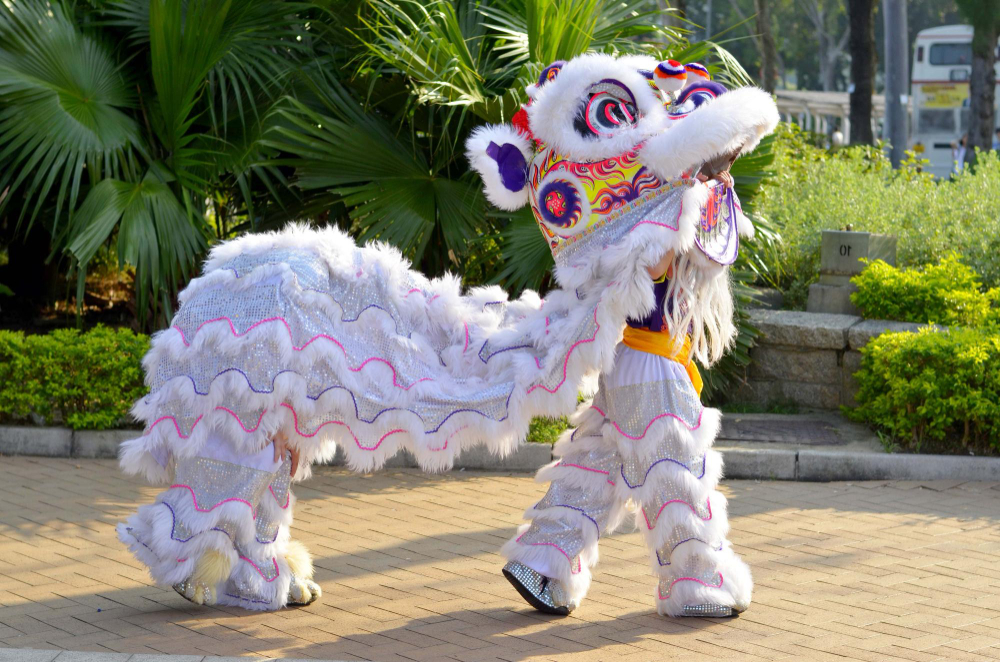
When you book a lion dance performance in Singapore, you'll notice something special happens during the show. The lion doesn't just dance- it performs Cai Qing (採青), literally "plucking the greens." But these aren't random vegetables. Each offering carries deep symbolic meaning that can amplify the blessings you're hoping to attract.
Let’s unpack the most meaningful offerings you’ll see in Singapore - why they matter, what they represent, and how to choose them with intention.
Why Offerings Matter in Lion Dance
Offerings are much more than props, they’re intentional blessings.
When a lion interacts with fruit, vegetables, red packets or festive food, it symbolically absorbs good fortune and scatters blessings to your space and your people.
This ritual creates:
- Community engagement and excitement as audiences watch the lion “eat” and spread prosperity
- Cultural depth that honours centuries-old traditions
- Tailored symbolism depending on your event, be it a shop opening or family reunion
Common Offerings in Lion Dance Performances
The Classic: Lettuce (生菜)
You can't have Cai Qing without lettuce. It's the foundation of nearly every arrangement you'll see.
Why Are Lettuce Symbolise?
In Cantonese, 生菜 (sang choi) sounds like 生財 (sang choi), meaning "growing wealth." When the lion "eats" your lettuce, it symbolically multiplies your fortune.
The higher you hang it, the more challenging the lion's task- and tradition holds that greater challenges bring bigger blessings.
💡 Tip: Choose fresh, crisp lettuce with vibrant green color. Iceberg or romaine works best. Wilted leaves symbolize declining fortune, while healthy greens represent thriving prosperity.
The Wealth Duo: Oranges (橙)
Oranges bring visual impact with their golden colour and perfect round shape. They're a staple in most Cai Qing arrangements across Singapore.
Why Are Oranges Used?
The Cantonese word for orange (橙, chaang) sounds like 成 (shing)- "success." Many businesses request eight oranges because eight (八, baat) sounds like 發 (faat), meaning prosperity.
💡 Tip: Choose oranges with smooth, bright skin without green patches. If hanging them, select medium-sized ones for balance.
The Career Climber: Pineapple (黄梨)
Walk into any business opening in Singapore, and you'll likely spot pineapples. This fruit holds particular significance in local culture.
Why Are Pineapples Important?
The Hokkien name "ong lai" (旺来) translates to "prosperity arrives." The spiky exterior represents protection, while the sweet interior symbolises rewards for perseverance.
💡 Tip: Keep the leafy crown intact- it represents upward growth. Display at ground level and position where the lion can interact with it dramatically.
The Underground Gem: Sweet Potato (番薯)
Sweet potato might look humble, but it carries some of the most inspiring symbolism in Cai Qing tradition.
Why Are Sweet Potato Used?
The Hokkien term 番薯 (han su) connects to "翻身做主"- "turning over to become master." It represents rising from difficult circumstances to achieve success through hidden, steady growth.
💡 Tip: Use whole, unpeeled sweet potatoes. Choose firm ones without soft spots, preferably the orange-fleshed variety for its auspicious golden colour.
The Abundance Symbol: Pomelo (柚子)
Pomelo makes an impression through sheer size alone. It's one of the largest fruits you'll see in Cai Qing arrangements.
Their Significance:
Pomelo (柚子, you zi) sounds like 有子 (you zi)- "to have abundance." It represents fertility, family growth, and blessings across generations. The thick skin represents protection for your fortune.
💡 Tip: Choose the largest, heaviest pomelo you can find- size genuinely matters. Display it prominently as a centerpiece.
The Prosperity Root: Yam (芋头)
Yam brings the symbolism of surplus and comfortable abundance. Its rough exterior hides valuable interior flesh.
What Do Yam Represent?
Yam (芋头, wu tou) sounds like 余头 (yu tou)- "surplus" or "extra." It represents having more than enough, symbolising profit margins, reserves, and the ability to provide generously.
💡 Tip: Select yams with firm skin. The hairy texture is considered auspicious. Pair with sweet potato to emphasise grounded, steadily growing fortune.
The Money Magnet: Red Packets (红包)
Red packets bridge traditional symbolism with modern practicality in Cai Qing arrangements.
Why Red Packets Is A Must?
The red colour wards off evil spirits while the monetary contents represent liquid wealth- money that flows and multiplies. Giving generously activates the cycle of abundance.
💡 Tip: Use crisp, new red packets. Secure them properly to prevent premature falling. Many include denominations with the number 8 ($8, $88, $188).
The Protective Warrior: Ginger (姜)
Ginger brings protective energy to your Cai Qing setup. Its fiery nature serves a spiritual purpose beyond decoration.
Why Consider Ginger?
Ginger dispels negative energy and strengthens yang energy - the active, prosperous force. Its spicy, warming nature symbolises burning away bad luck and activating vibrant energy.
💡 Tip: Use fresh ginger root with taut skin and strong aroma. Some hosts place ginger at the base as a spiritual guardian. Older, gnarlier roots are considered more potent.
The Scholar's Choice: Spring Onion (葱)
Spring onions represent ambition and intellectual growth. Their upward-shooting stalks create clear visual symbolism.
What Spring Onion Represent?
Spring onions (葱, chung) sound like 聪 (chung)- "clever" or "intelligent." Popular for educational institutions or businesses valuing innovation. The upward-shooting stalks symbolise reaching new heights.
💡 Tip: Choose spring onions with long, straight stalks- taller is better. Keep the white roots attached to represent staying grounded while reaching high. Bundle several with red string.
The Sweet Journey: Sugarcane (甘蔗)
Sugarcane appears less frequently in modern setups due to its size, but traditional performances still value its symbolism.
Why Are SugarCane Used?
The jointed stalks represent 節節高升- "rising higher with each segment." Each section symbolises another level of achievement. The sweetness inside represents rewards from persistent effort.
💡 Tip: Use sections with visible joints to emphasize progression. Two stalks together represent partnership. Best for outdoor venues with adequate space.
The Golden Harvest: Corn (玉米)
Corn brings agricultural abundance symbolism to modern celebrations. Each cob represents multiplication through its many kernels.
What Are Corn Important?
The character 玉 (yu) in 玉米 means jade. Golden kernels resemble wealth nuggets, while abundant seeds symbolise multiplication of fortune. Kernels packed tightly together symbolise unity and collective prosperity.
💡 Tip: Use corn with bright golden kernels and intact husks. Dried corn lasts longer and works well when hung in clusters of three or six.
The Long Life Noodle: Dried Noodles (面条)
Noodles bring symbolism of continuity and connection to Cai Qing arrangements. Their length and form carry specific meaning.
What Does Dried Noodles Represent?
Long noodles represent longevity and enduring success. They also represent connections and networks- just as noodles intertwine, business relationships weave together creating opportunities.
💡 Tip: Choose longevity noodles (yi mian) or thick dried wheat noodles in bundled form. Tie with red string. Avoid breaking them before the ceremony- unbroken noodles represent uninterrupted prosperity.
The Celebratory Toast: Beer (啤酒)
Beer has become an increasingly popular modern addition to Cai Qing arrangements, especially for business openings and corporate celebrations.
Why Is Beer Popular?
In Cantonese, beer (啤酒, be jau) contains 酒 (jau), which sounds like 久 (jau)- meaning "long-lasting." It symbolises relationships that last and success that continues. Perfect for bars, restaurants, and hospitality businesses.
💡 Tip: Use unopened bottles with clear labels facing forward. Many hosts choose premium beers to symbolise high-quality success. F&B businesses can use their signature beer brand.
Check this out:
- Choosing the most Auspicious Dates for upcoming Chinese New Year
- How much should you pay for a Lion Dance Performance
The Complete Package: Strategic Combinations
The art of Cai Qing lies in combining materials strategically. A typical business opening might feature:
- Lettuce- growing wealth
- Pineapple- prosperity's arrival
- Eight oranges- multiplied success
- Red packets- cash flow
- Ginger- protection
A family celebrating a new home might choose:
- Lettuce- household prosperity
- Pomelo- family growth
- Spring onion- children's intelligence
- Sweet potato- overcoming challenges
- Yam- surplus and comfort
When you book a lion dance performance, discuss these options with your troupe. Experienced performers understand the symbolism and can help you design an arrangement that matches your intentions.
Looking for more helpful tips? Check out some of these resources:
- How much to give in a Red Packet for Lion Dance during New Year
- 15 Best Festive Food Caterers for Upcoming Chinese New Year
- Top 12 Lion Dance Troupes to Hire for your Event in Singapore
Making Your Cai Qing Meaningful
Understanding these symbols transforms Cai Qing from simple tradition into personalized ritual. You're actively choosing symbols that represent your hopes and goals.
When the lion "eats" your carefully chosen offerings, you're witnessing centuries of tradition meeting your present-day aspirations. Next time you watch a lion dance performance, pay attention to the Cai Qing arrangement. Each item tells a story about what the host values and hopes to welcome.
Ready to create your own meaningful Cai Qing experience? Choose your ingredients thoughtfully, partner with a troupe that understands the symbolism, and prepare to welcome specific blessings into your celebration.


