
.png)
.png)

16 Things to Avoid During Chinese New Year
Chinese New Year brings joy, reunion, and the hope for a prosperous beginning. Alongside decorations, feasting, and lion dances, there are also taboos and traditions passed down for generations, little reminders of what to avoid if you want luck to flow smoothly into the year.
These customs add charm and meaning to the celebration, and many families still follow them today. Whether you’re deeply traditional or simply curious, here are 16 things to avoid during Chinese New Year, and why they matter.
Here are 16 Recommended Things to Avoid During Chinese New Year
1. Avoid Cleaning or Sweeping on Day 1
Cleaning the house on the first day is believed to “sweep away” fortune and blessings. Most households do a massive spring-cleaning before the new year.
Tip: We recommend a lion dance performance to “welcome luck after cleaning.
2. Avoid Washing Hair on Day 1
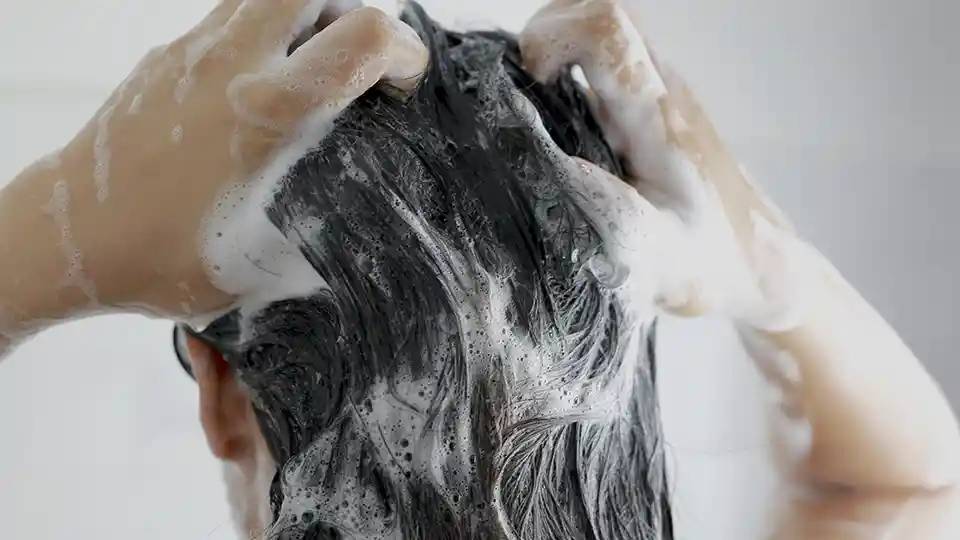
Hair (发, fà) sounds like “prosperity,” so washing it symbolises washing wealth away. Many people wash hair on CNY Eve to enter the new year fresh without “rinsing off” luck.
Great for beauty or grooming brands to highlight CNY Eve beauty prep!
3. Avoid Wearing Black or White
These colours are associated with mourning, so people favour red, gold, pink, and festive tones. If you're hosting an event, this is a great theme to highlight in invitations.
4. Avoid Negative or Inauspicious Words
Words like “die,” “poor,” or “sick” are considered unlucky. Families instead use greetings such as “Gong Xi Fa Cai” and “Wan Shi Ru Yi.”
This is also why lion dance troupes always shout auspicious blessings during performances.
For energetic blessings and positive auspicious cheers, check out Singapore’s professional lion dance teams at liondance.sg.
5. Avoid Breaking Plates or Glass
Breaking items symbolises shattered fortune or relationships. If it happens, wrap the pieces in red paper and say “岁岁平安” (peace every year) to neutralize the bad energy.
6. Avoid Borrowing or Lending Money
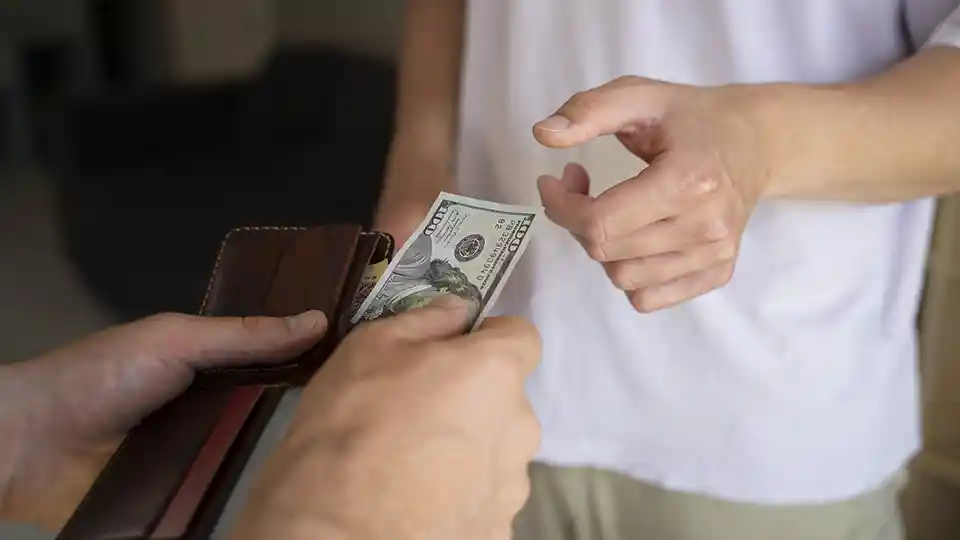
Financial transactions on the first few days may signal money “flowing out” throughout the year. Settle debts before CNY to symbolically enter the year free of burdens.
7. Avoid Arguing, Fighting, or Shouting
Arguments during CNY are believed to set the emotional tone for the year. Many families consciously keep things light and joyful, especially around elders.
8. Avoid Crying, Especially for Children
Crying is seen as inauspicious, so parents try to keep children happy with snacks, toys, and hongbaos. Many even schedule lion dance visits for kids because it excites them and lifts their mood.
9. Avoid Visiting the Doctor on Day 1
Unless necessary, seeing a doctor symbolises bringing illness into the year. This custom highlights the importance of staying healthy before CNY.
10. Avoid Waking Up Late
Sleeping in is said to cause laziness or sluggishness throughout the year. Families set alarms to greet the morning together with energy, just like the lion dance tradition of welcoming a fresh start with strength and vitality.
11. Avoid Eating Plain or “Poor Man’s Food” on Day 1
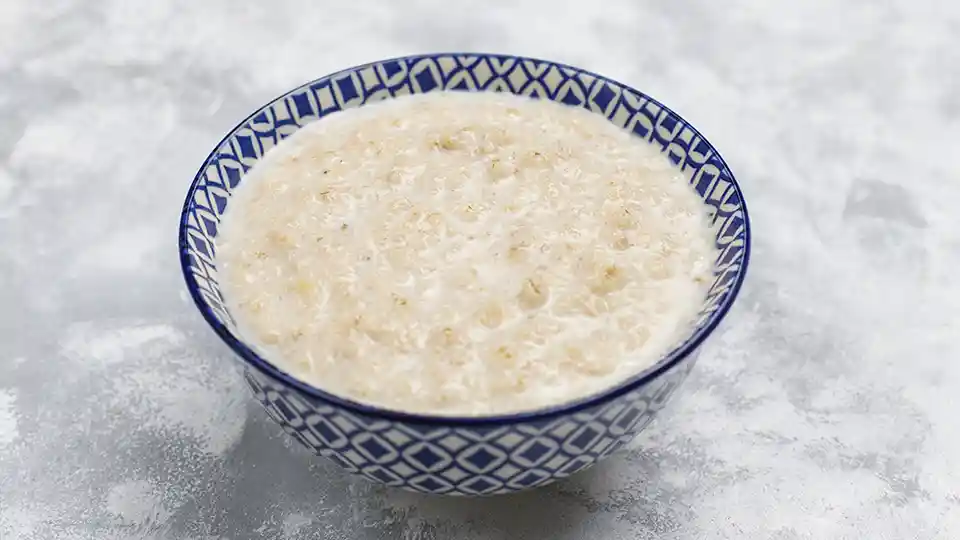
Dishes like porridge used to signify poverty. Eating abundant foods reflects prosperity, growth, and blessing. Foods like fish (abundance), dumplings (wealth), and mandarins (luck) are especially popular.
12. Avoid Wearing Old, Damaged, or Torn Clothes
Wearing new clothes symbolises renewal. This is why many families wear coordinated red outfits, a fun trend especially during reunion photos and lion dance events at homes and offices.
13. Avoid Killing Insects or Animals
Taking life during CNY is believed to bring bad karma or negative energy. Even small pests are spared during the festive days.
14. Avoid Using Sharp Objects (Scissors, Knives, Needles)
These items symbolically “cut” your good fortune. Many families avoid major food prep or sewing on the first day and prepare meals in advance.
15. Avoid Letting Rice or Pantry Items Run Out
Running out of essentials signals scarcity in the coming year. Most homes stock up on rice, snacks, drinks, and fruits to symbolize abundance.
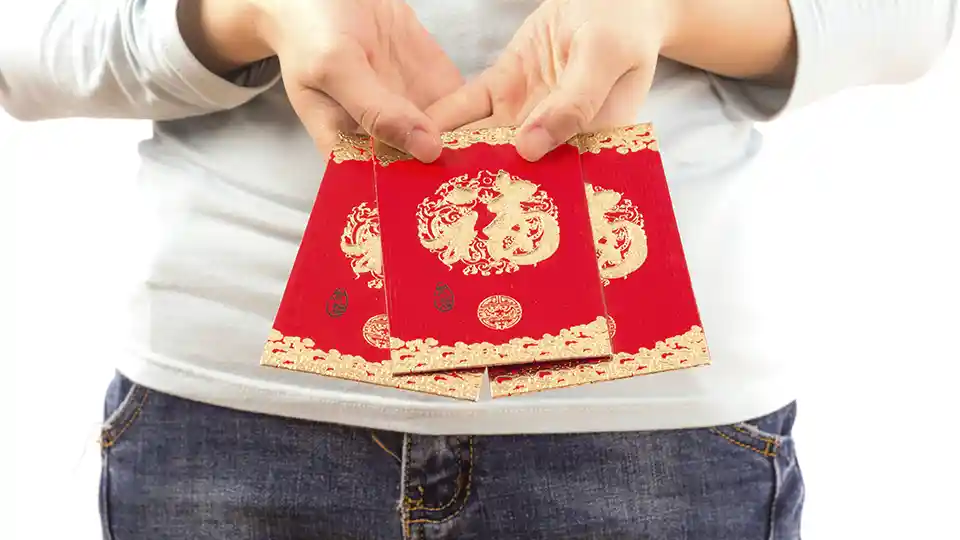
16. Avoid Refusing Ang Baos
Red packets symbolise blessings and luck. Rejecting one means rejecting good fortune. Even if symbolic, receiving it politely with both hands is part of the tradition.
Invite More Prosperity Into Your Home or Office
While avoiding bad luck is important, so is inviting good luck in. One of the most powerful and meaningful traditions is hosting a lion dance performance to 祝福 your space with energy, protection, and prosperity.
Looking for more helpful tips? Check out some of these resources:
- How much to give in a Red Packet for Lion Dance during New Year
- 15 Best Festive Food Caterers for Upcoming Chinese New Year
- Top 12 Lion Dance Troupes to Hire for your Event in Singapore
Final Thoughts
Chinese New Year is rich in symbolism, customs, and beliefs, and these “don’ts” help us step into the new year with care and intention. Whether you follow all of them or simply appreciate the stories, they add depth and charm to the festive season.
Pair these traditions with joyful gatherings, good food, and auspicious activities like lion dances, and you’re set for a vibrant, abundant, and meaningful celebration.


