.png)
.png)
16 Chinese New Year Foods and Their Auspicious Meanings
Chinese New Year isn’t just celebrated with decorations, lion dances, and red packets, it’s also celebrated through food filled with symbolism, blessing families with luck, wealth, harmony, and abundance. Every dish served during reunion dinner has a meaning rooted in tradition.
Here are the most important types of Chinese New Year food and what they represent, so you can prepare a feast that’s delicious and auspicious.
16 Traditional CNY Foods and Their Auspicious Meanings
1. Fish (鱼, Yú), “Abundance Every Year” (年年有余)
Fish symbolises surplus, financial abundance, and business growth.
Because “fish” (鱼, yú) sounds like “surplus” (余, yú), serving whole fish means ending the year with more than enough.
How it’s served:
• Steamed whole fish (kept intact for unity)
• Served last to “seal” prosperity
• Often half eaten and half saved to symbolise carrying fortune forward
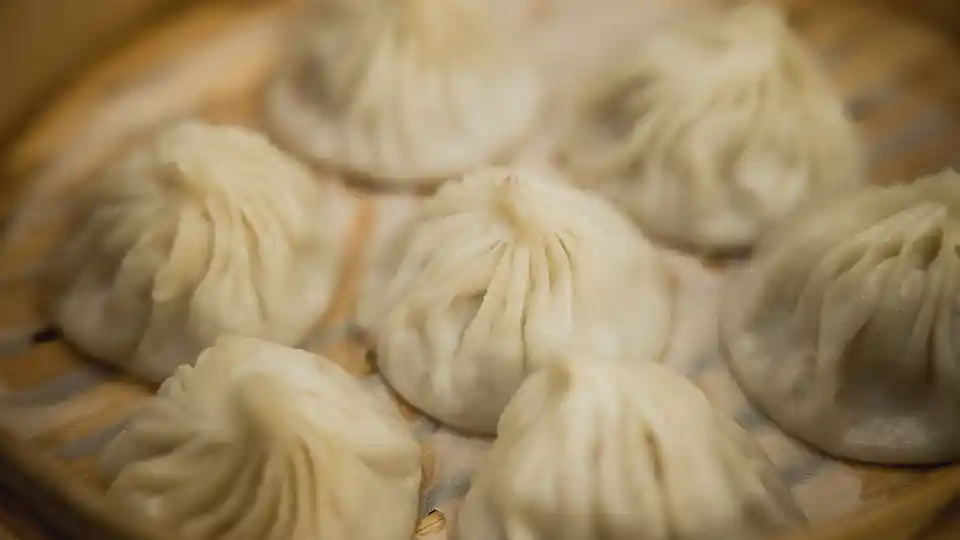
2. Dumplings (饺子, Jiǎo Zi), Wealth & Prosperity
Their shape resembles ancient Chinese gold ingots, making them symbols of wealth, good fortune, and new beginnings.
Why they're popular:
• The more dumplings you fold, the more wealth you invite
• Families make them together for bonding
• Best eaten at midnight going into the new year
3. Noodles (长寿面, Longevity Noodles), Long Life & Good Health
Long, uncut noodles represent longevity and smooth progress throughout the year.
Key belief:
Never break the noodles while cooking or eating, so your lifespan remains “uncut.”
4. Glutinous Rice Cake (年糕, Nián Gāo), Increase in Success
“Nián gāo” sounds like “year high,” symbolising growth, promotions, higher income, and achievement.
Popular variations:
• Sweet brown rice cake
• Pan-fried golden nián gāo
• Fusion versions with coconut or pandan
5. Spring Rolls (春卷), Golden Wealth
Their golden, crispy appearance resembles gold bars, perfect for attracting wealth and fortune.
When they’re served:
Often enjoyed during reunion dinners and house visits as lucky snacks.
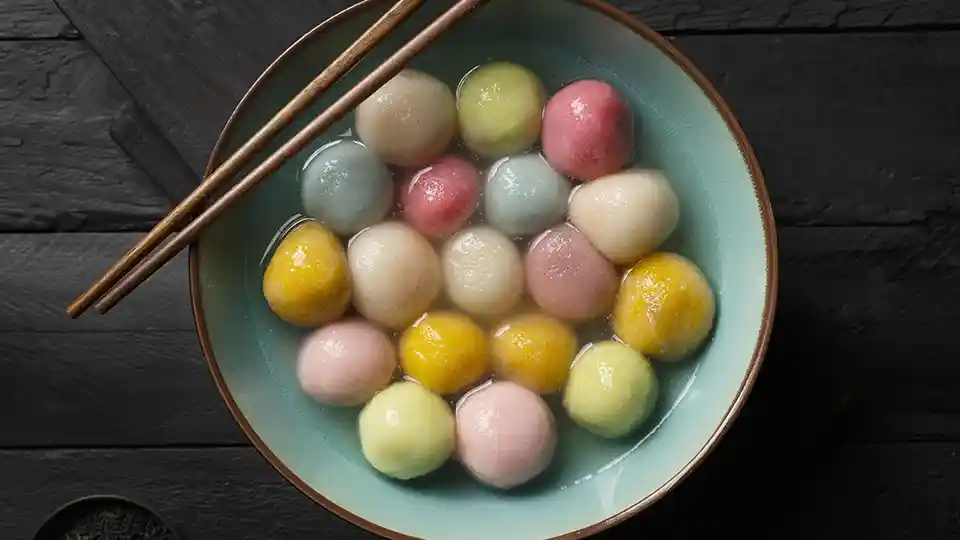
6. Sweet Rice Balls (汤圆, Tāng Yuán), Family Unity
These soft, round balls symbolise togetherness, harmony, and reunion, especially meaningful during the Lantern Festival.
Flavours include:
• Black sesame
• Peanut
• Red bean
• Matcha or modern fillings
7. Oranges & Tangerines (桔, Jú / 橙, Chéng), Luck & Good Fortune
Mandarin oranges represent good luck, while tangerines symbolise success.
Why they matter:
They’re one of the most exchanged gifts during visits, always given in pairs for double blessings.
8. Eight Treasures Rice (八宝饭), Prosperity & Sweetness
Made with sticky rice and eight ingredients, this dessert represents prosperity and a sweet year ahead.
Typical ingredients:
Lotus seeds, red beans, dates, walnuts, raisins, and more.
9. Whole Chicken (全鸡), Family Unity & Completeness
A whole chicken with head and feet intact represents wholeness, unity, and family completeness.
Why companies serve it:
For corporate dinners, whole chicken symbolises strong teamwork and unity for the year.
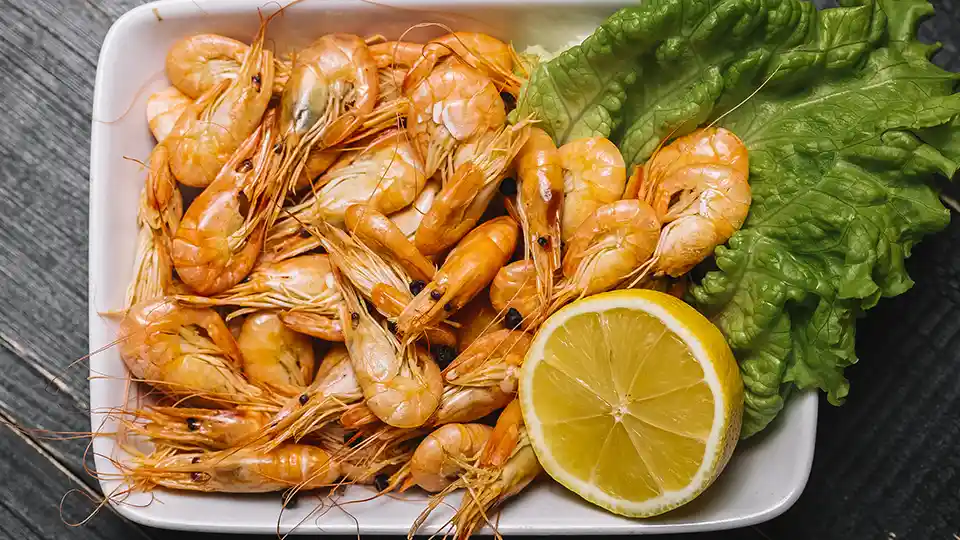
10. Prawns (虾, Xiā), Happiness & Laughter
“Xiā” (shrimp) sounds like “ha ha,” which represents joy and laughter.
Most popular dishes:
• Salted egg prawns
• Stir-fried prawns
• Har lok Cantonese prawns
Guaranteed mood lifters for any celebration.
11. Fat Choy (发菜), Wealth & Opportunities
This black moss vegetable sounds like “prosperity” (发财).
It’s often cooked with mushrooms, abalone, or seafood to amplify its meaning.
Common dish:
发菜蚝豉, fat choy with dried oysters, symbolising good fortune and success.
12. Abalone (鲍鱼, Bào Yú), Luxury & High Status
Abalone is considered a premium food symbolising wealth, prestige, and abundance.
Corporate use:
Often featured in banquet menus to honour VIP guests.
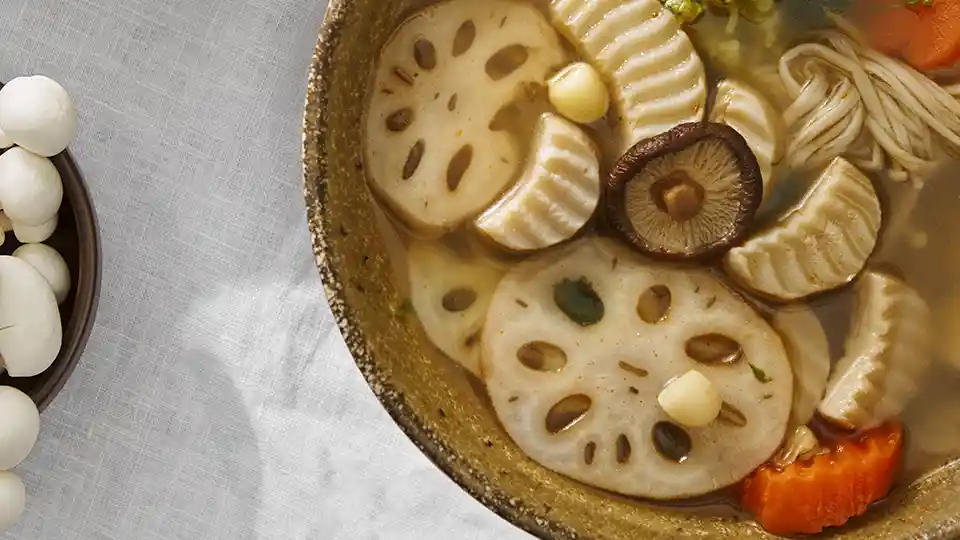
13. Lotus Root (莲藕, Lián ǒu), Good Fortune & Continuity
Lotus root has holes that symbolise looking forward to future opportunities.
Fun meaning:
The lotus plant also symbolises fertility and harmony.
14. Mushrooms (菇, Gū), Blessings & Smooth Progress
Especially “fat mushrooms” (花菇), symbolising wealth and good fortune.
Often paired with:
Broccoli, abalone, fish maw, all auspicious ingredients.
15. Pineapple Tarts, “Prosperity Arrives” (旺来)
In Hokkien, pineapple is “ong lai,” meaning prosperity comes.
Why everyone loves them:
Aside from symbolism, they taste incredible and are one of Singapore’s top CNY snack staples.
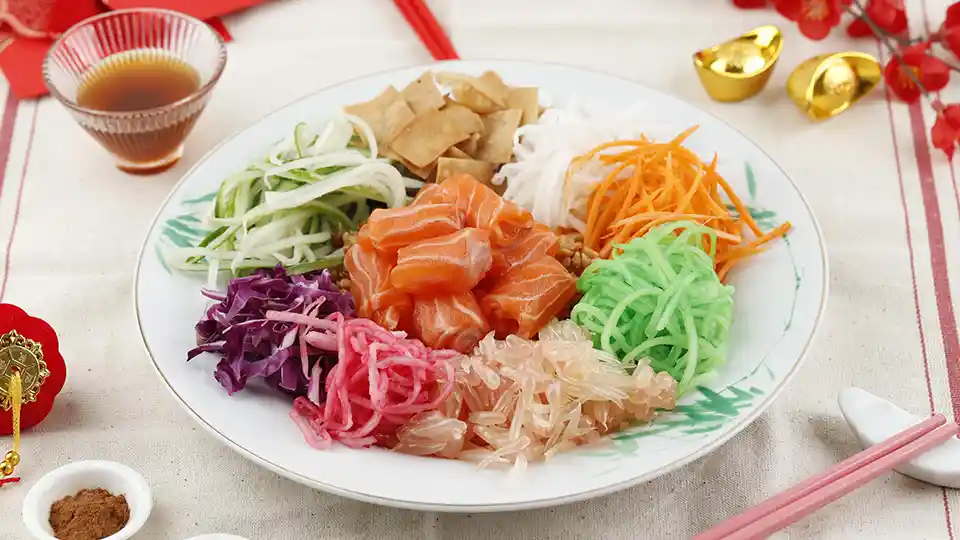
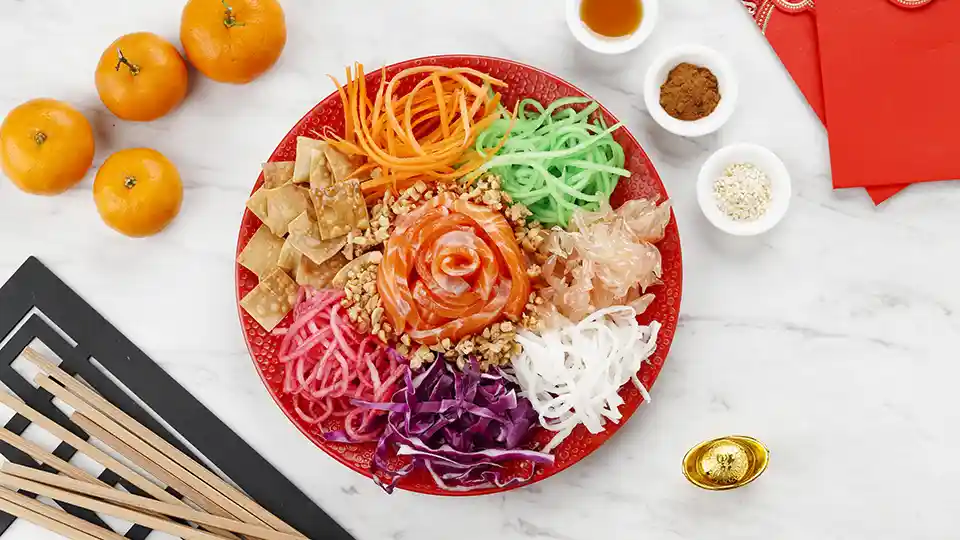
16. Yusheng (鱼生), Abundance, Fortune & Good Luck
Lo hei is a uniquely Singaporean/Malaysian tradition symbolising prosperity and rising success.
The higher the toss, the greater the luck.
Perfect for corporate celebrations, reunions, or restaurant dinners.
Our Final Thoughts
Chinese New Year foods aren’t just delicious, they’re filled with symbolism, blessings, and centuries of tradition. Whether you’re preparing a small family reunion or hosting a corporate banquet, incorporating these meaningful dishes brings warmth, positivity, and good fortune to your celebration.